

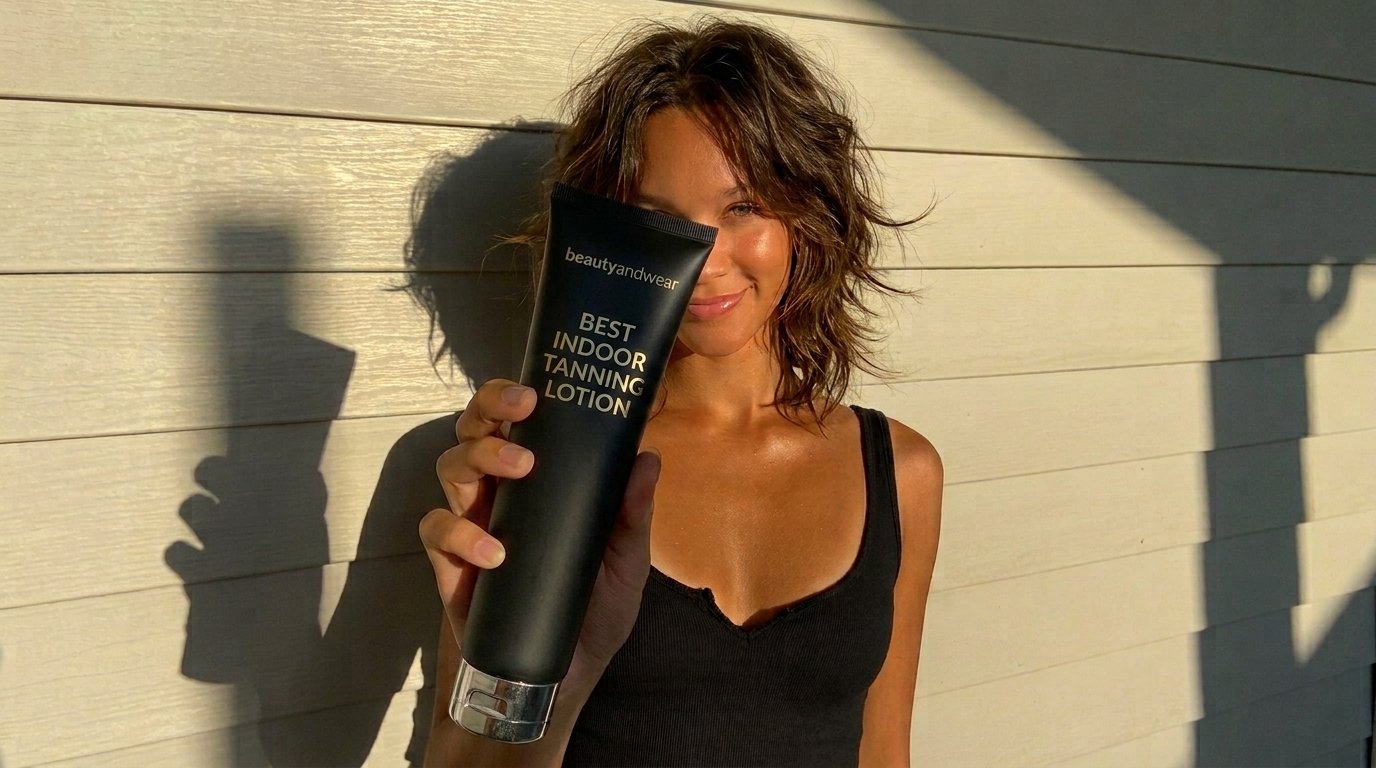
Best Indoor Tanning Lotion: How to Choose the Right Formula
Best Indoor Tanning Lotion
Choosing the best indoor tanning lotion can be confusing because formulas are designed for different tanning goals, skin types, and finishes. Some focus on hydration, others contain bronzers for immediately deeper-looking color, and some are made without bronzer for a more gradual result.
People searching for the best indoor tanning lotion often want to compare ingredients, bronzer options, moisturizing benefits, and formulas for dry or sensitive skin. Others search for what is the best indoor tanning lotion because they want guidance before purchasing.
When comparing the best indoor tanning lotion, consider whether you want hydration, cosmetic bronzing, a lightweight texture, or a fragrance-free formula. The best indoor tanning lotion for one person may not be the right choice for someone with sensitive or dry skin.
One important distinction should come first: tanning lotion does not make indoor UV tanning safe. Tanning beds and sunlamp products expose skin to ultraviolet radiation, which can cause burns, premature aging, eye damage, and an increased risk of skin cancer. The American Academy of Dermatology states that there is no safe tanning bed, booth, or sunlamp.
For that reason, evaluate the best indoor tanning lotion for cosmetic qualities such as hydration, texture, fragrance, and bronzer. If your goal is simply a bronzed appearance, consider a sunless tanning product instead.
What Is Indoor Tanning Lotion?
Indoor tanning lotion is a cosmetic product intended for use before or around an indoor tanning session. Depending on the formula, it may contain moisturizers, cosmetic bronzers, botanical ingredients, vitamins, oils, or other ingredients designed to improve skin feel or the appearance of a tan.
A tanning lotion does not block UV radiation unless it is specifically formulated and legally labeled as sunscreen. Ordinary tanning lotions should not be considered UV protection. FDA guidance notes that tanning products without sunscreen must carry a warning that they do not protect against sunburn and that repeated exposure of unprotected skin can increase the risks of skin aging and skin cancer.
Therefore, choosing the best indoor tanning lotion should focus on hydration, texture, bronzer, fragrance, and skin compatibility rather than protection from UV exposure.
What Makes the Best Tanning Bed Lotions Different?
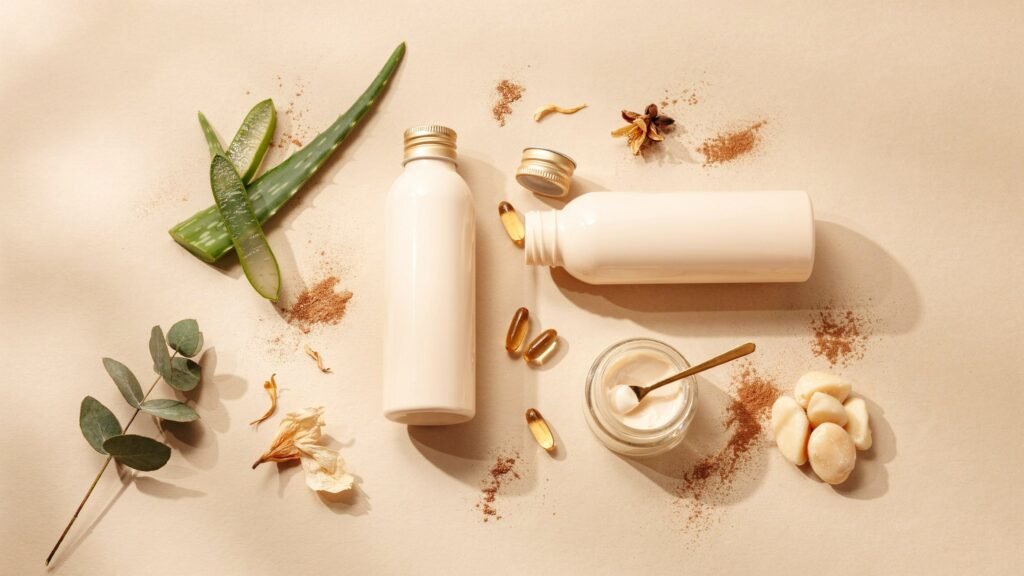
The best tanning bed lotions are not necessarily the most expensive. Compare products based on the benefits their formulas are designed to provide.
Hydration
Dry skin may feel tight or uncomfortable after exposure to environmental stressors. Many tanning lotions contain moisturizing ingredients that help improve skin feel and create a smoother appearance.
Common ingredients include:
- Glycerin
- Aloe vera
- Shea butter
- Plant oils
- Vitamin E
- Humectants and emollients
Bronzing
Some formulas contain cosmetic bronzers that create a darker-looking appearance without waiting for the skin’s natural tanning response. They may appeal to people who want more noticeable cosmetic color immediately.
Bronzer does not protect skin from UV radiation.
Texture
A good formula should be comfortable and easy to spread. A greasy lotion may feel inconvenient, while an overly lightweight product may not provide enough moisture for very dry skin.
Fragrance
Many tanning lotions have noticeable scents. If you are sensitive to fragrance, a fragrance-free or lightly scented formula may be more comfortable.
For important information about tanning products that do not contain sunscreen, including the required FDA warning that these products do not protect against sunburn, see
What Is the Best Tanning Bed Lotion for Your Skin Type?
There is no single formula that works best for everyone. Your skin type and preferences should guide your choice of the best indoor tanning lotion.
Dry Skin
People with dry skin may prefer a richer formula containing glycerin, shea butter, aloe, or plant oils.
Choose a product that feels nourishing without leaving an uncomfortable residue.
Oily Skin
A lightweight lotion may be preferable if you dislike a greasy finish. Gel-lotion textures can feel more comfortable on oily skin.
Normal Skin
Normal skin gives you more flexibility. Choose the best indoor tanning lotion based on whether you want bronzer, fragrance, extra hydration, or a specific texture.
Sensitive Skin
The search for indoor tanning lotion sensitive skin requires extra care. Consider simple ingredient lists and avoid products containing ingredients you already know irritate your skin.
Patch testing a cosmetic product on a small area may be a reasonable precaution, although it cannot guarantee that irritation will not occur.
If you regularly experience rashes, burning, or unexplained reactions, consult a dermatologist.
Indoor Tanning Lotion Sensitive Skin: What to Look For
When searching for indoor tanning lotion sensitive skin, do not focus only on promises of darker color.
Review the ingredient list and consider whether the formula contains substances your skin has reacted to in the past.
Potentially useful features include:
- A simple formula
- Moisturizing ingredients
- Minimal fragrance
- No unnecessary exfoliating actives
- A lightweight, comfortable texture
A product labeled for sensitive skin is not guaranteed to work for everyone. Ingredient tolerance varies, so reading the label is more reliable than relying on marketing language alone.
If you are about to do this, go for it: How to Make Makeup Last All Day: 15 Proven Tips
Indoor Tanning Lotion Without Bronzer
An indoor tanning lotion without bronzer may appeal to people who want to avoid added cosmetic color.
Bronzer-free formulas may be preferable when you want:
- A more natural-looking progression
- No immediate cosmetic tint
- Less concern about temporary color transfer
- A simpler product
“Without bronzer” does not mean “safer.” A bronzer-free lotion can still be used with UV exposure, and the UV exposure itself carries health risks.
If your goal is only a tanned appearance without UV exposure, consider a sunless tanning lotion. FDA information explains that many sunless tanning products use dihydroxyacetone, or DHA, to darken the skin’s surface without requiring UV exposure.
Learn more about the difference between indoor tanning products and sunless tanning products from the FDA’s Tanning Products guide
Bronzers vs. Non-Bronzers
The choice between bronzer and non-bronzer is primarily cosmetic.
Bronzing Formulas
These formulas can create a darker-looking appearance immediately because the product contributes cosmetic color.
They may appeal to people who want:
- More visible color
- A deeper-looking finish
- An immediate cosmetic result
Non-Bronzing Formulas
These products do not provide the same cosmetic bronzing effect.
They may be preferred when you want:
- A more gradual appearance
- No artificial-looking tint
- A simpler routine
Neither category makes tanning-bed use safer.
How to Use Tanning Lotion Properly
If you use tanning lotion, follow the manufacturer’s directions and confirm that the product is intended for your chosen use.
A basic application approach is:
- Start with clean, dry skin.
- Apply the product evenly according to the package directions.
- Pay attention to areas that become especially dry.
- Wash your hands after application when appropriate, especially when using bronzing formulas.
- Allow the product to absorb before dressing if recommended.
- Follow the product’s instructions regarding indoor tanning equipment.
Avoid contact with the eyes, mouth, and other areas where the label says the product should not be used.
Tanning lotion should not be treated as sunscreen. FDA guidance distinguishes cosmetic tanning preparations from sunscreen products.
Ingredients Worth Comparing
When comparing the best indoor tanning lotion options, look beyond the product name.
Glycerin
Glycerin is a common humectant that helps attract and retain moisture at the skin’s surface.
Aloe Vera
Aloe is frequently included in skincare formulas for its moisturizing and soothing feel.
Shea Butter
Shea butter provides a richer moisturizing texture that may appeal to people with dry skin.
Vitamin E
Vitamin E is commonly used as a conditioning ingredient and antioxidant in cosmetic formulations.
DHA
Dihydroxyacetone is commonly associated with sunless tanning. Unlike UV tanning, DHA interacts with dead surface skin cells to create a temporary darker appearance.
Ingredient quality and concentration vary, so a familiar ingredient does not automatically make one product superior.
If you are about to do this, go for it: 10 Best Sheer Milky White Nail Polish Shades & Tips
Can Tanning Lotion Make You Tan Faster?
Tanning lotion marketing may use terms such as “accelerator,” “intensifier,” or “maximizer.” These claims can suggest that a product dramatically changes how quickly someone tans.
Cosmetic formulas may affect skin feel and contain ingredients intended to support the appearance of tanning, but they do not eliminate the risks of UV exposure.
The FDA states that there is no safe tan. A tan is a response to UV exposure, and increased pigmentation indicates that the skin has been affected by UV radiation.
Evaluate the best indoor tanning lotion based on its cosmetic characteristics rather than assuming that a stronger “accelerator” makes indoor tanning safer or healthier.
Should You Use Tanning Lotion Every Session?
That depends on the product’s instructions, your skin, and why you are using it. Some people use moisturizing products because they like the texture or finish, while others prefer bronzing formulas for cosmetic reasons.
More product does not automatically produce better results. Excessive application may feel uncomfortable, transfer onto clothing, or irritate the skin.
Follow the label directions instead of assuming that heavier or more frequent application will improve the outcome.
Tanning Lotion vs. Self-Tanning Lotion
These products sound similar but work differently.
Indoor tanning lotions are generally associated with cosmetic use around UV tanning sessions.
Self-tanning lotions create a temporary tan-like appearance without requiring UV exposure. Many use DHA as the active tanning ingredient.
If your main goal is bronzed-looking skin, a sunless self-tanner can provide an alternative to UV tanning. This distinction matters because a cosmetic tan from a sunless product does not mean your skin has developed protection against sunlight.
Most sunless tanning products also do not contain sunscreen, so sunscreen remains necessary when you go outdoors.
How to Choose a Lotion Without Overcomplicating It
When deciding what is the best indoor tanning lotion, start with four questions:
Do you want bronzer?
Choose a bronzing formula for added cosmetic color, or a non-bronzing option for a simpler finish.
Is hydration important?
Choose a richer moisturizer if your skin tends to feel dry.
Are you sensitive to fragrance or certain ingredients?
Look for a simpler formula and avoid known triggers.
Is your real goal a tan or simply the appearance of a tan?
If appearance is your primary goal, consider a sunless tanning product instead of UV exposure.
This approach is more useful than choosing a product simply because it is marketed as the “strongest” tanning lotion.
Safety Considerations Before Indoor Tanning
The most important consideration is the UV exposure itself.
The FDA states that indoor tanning devices emit UV radiation and can cause burns, premature skin aging, skin cancer, and eye damage.
The FDA also advises against tanning-bed use for people under 18. It warns against use by people who sunburn easily and do not tan, those with a personal or family history of skin cancer, people with certain skin lesions, and people taking medications that can increase UV sensitivity.
The American Academy of Dermatology likewise emphasizes that indoor tanning increases skin-cancer risk and is not a safe alternative to natural sunlight.
No best indoor tanning lotion should be presented as a product that makes indoor tanning safe.
Learn more about the health risks associated with indoor tanning, including skin cancer, premature skin aging, burns, and eye damage, from the U.S. Food & Drug Administration (FDA)
Best Alternative for a Tanned Appearance
If you are primarily interested in a bronzed complexion, sunless tanning is worth considering.
Self-tanners can create temporary color without the UV exposure associated with tanning beds. According to the FDA, DHA is used in many sunless tanning products and reacts with dead surface cells in the epidermis to darken the appearance of the skin.
For a more natural-looking result, exfoliation, careful application, and gradual color-building products can help create an even appearance.
For information about sunless tanning products, DHA, and how self-tanners create the appearance of a tan without UV exposure, see the FDA
Frequently Asked Questions
What is the best indoor tanning lotion?
There is no universally best product. The best indoor tanning lotion depends on whether you want bronzer, extra hydration, a particular texture, or a formula that avoids ingredients that irritate your skin. Most importantly, tanning lotion does not eliminate the risks of indoor UV exposure.
What are the best tanning bed lotions?
The best tanning bed lotions are those that match your preferences and skin needs. Compare moisturizing ingredients, bronzer, fragrance, texture, and manufacturer directions instead of choosing solely by marketing claims.
What is the best tanning bed lotion for dry skin?
A moisturizing formula containing glycerin, aloe, shea butter, or other emollients may be more comfortable for dry skin. Choose based on how your skin responds to the complete formula rather than one ingredient.
What is the best indoor tanning lotion for sensitive skin?
For indoor tanning lotion sensitive skin, consider a simpler formula with fewer potential irritants and avoid ingredients known to cause reactions. If your skin is highly reactive, speak with a dermatologist before trying a new product.
Is indoor tanning lotion without bronzer better?
An indoor tanning lotion without bronzer may be better if you prefer no added cosmetic tint and a more gradual-looking result. Removing bronzer does not remove the health risks associated with UV tanning.
Does tanning lotion protect against UV rays?
Ordinary tanning lotion should not be assumed to provide UV protection. FDA regulations require tanning products without sunscreen to carry a warning that they do not protect against sunburn.
Is self-tanning safer than using a tanning bed?
Self-tanning products can create the appearance of a tan without exposing skin to the UV radiation produced by tanning beds. Many self-tanners use DHA to darken surface skin cells.
If you are about to do this, go for it: 10 Best Drugstore Foundation Picks for Flawless Skin
The Take-Away

Finding the best indoor tanning lotion is less about choosing the most powerful formula and more about understanding what you want from the product. Hydration, texture, fragrance, bronzer, and ingredient preferences can all influence your decision.
For dry skin, prioritize moisturizing characteristics. For sensitive skin, review ingredients and potential irritants carefully. If you prefer a gradual-looking result, an indoor tanning lotion without bronzer may be more appealing. If you want immediate cosmetic color, a bronzing formula may provide that effect.
The best indoor tanning lotion should be selected for cosmetic preferences, not as a way to make UV exposure safe. No indoor tanning lotion can make UV tanning risk-free. Tanning beds expose skin to UV radiation associated with skin cancer, premature aging, burns, and eye damage.
If you mainly want the appearance of a tan, sunless tanning products offer an alternative that does not require indoor UV exposure. Understanding this distinction can help you choose the best indoor tanning lotion based on your beauty goals while making a more informed decision about skin health.