

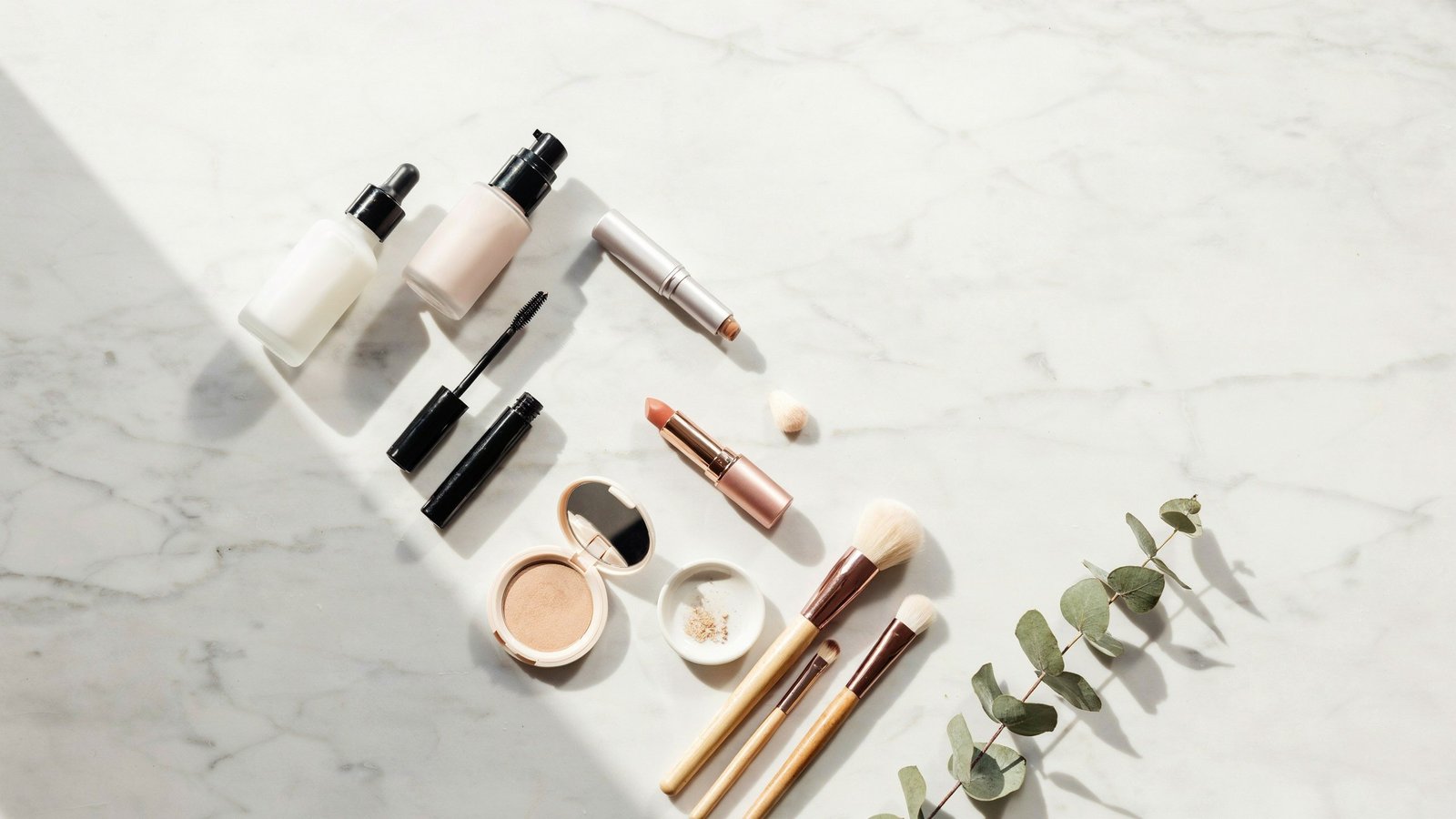
Hypoallergenic Makeup: Complete Guide to Safe Cosmetics for Sensitive Skin
Introduction
Hypoallergenic makeup has become one of the most searched beauty topics among people with sensitive, allergy-prone, or easily irritated skin. Choosing the right cosmetics can make a significant difference in preventing redness, itching, breakouts, and allergic reactions while still achieving a flawless makeup look. Although no cosmetic product can guarantee that it will never cause a reaction, hypoallergenic makeup is generally formulated to reduce the likelihood of irritation by avoiding many common allergens.
People searching for hypoallergenic makeup usually want to find makeup products specifically formulated for sensitive or allergy-prone skin. They are often looking for recommendations, ingredient information, dermatologist-approved brands, non-irritating cosmetics, and tips on choosing safe foundation, concealer, mascara, lipstick, and other makeup products that minimize the risk of allergic reactions or skin irritation.
In this article, we’ll explore everything you need to know about hypoallergenic makeup, including its benefits, ingredients to avoid, product recommendations, buying tips, and how to build a makeup routine that’s gentle on sensitive skin.
Hypoallergenic Makeup
Hypoallergenic makeup refers to cosmetic products designed to minimize the risk of allergic reactions and skin irritation. These products are typically formulated without many of the ingredients that commonly trigger skin sensitivities.
People searching for this keyword often want to learn about:
- Safe makeup products
- Makeup for sensitive skin
- Allergy-friendly cosmetics
- Dermatologist-tested brands
- Fragrance-free makeup
- Non-comedogenic cosmetics
- Gentle beauty products
- Makeup ingredient safety
While “hypoallergenic” does not guarantee a product is allergy-proof, it generally indicates that manufacturers have attempted to reduce common irritants.
What Does Hypoallergenic Mean?
The word hypoallergenic means a product is formulated to reduce the chance of causing allergic reactions.
These products often avoid ingredients such as:
- Strong fragrances
- Certain preservatives
- Harsh dyes
- Common skin irritants
Many hypoallergenic products are also tested on sensitive skin to improve safety.
Learn more about sensitive skin care recommendations from the American Academy of Dermatology (AAD): https://www.aad.org/
Who Should Use Hypoallergenic Makeup?
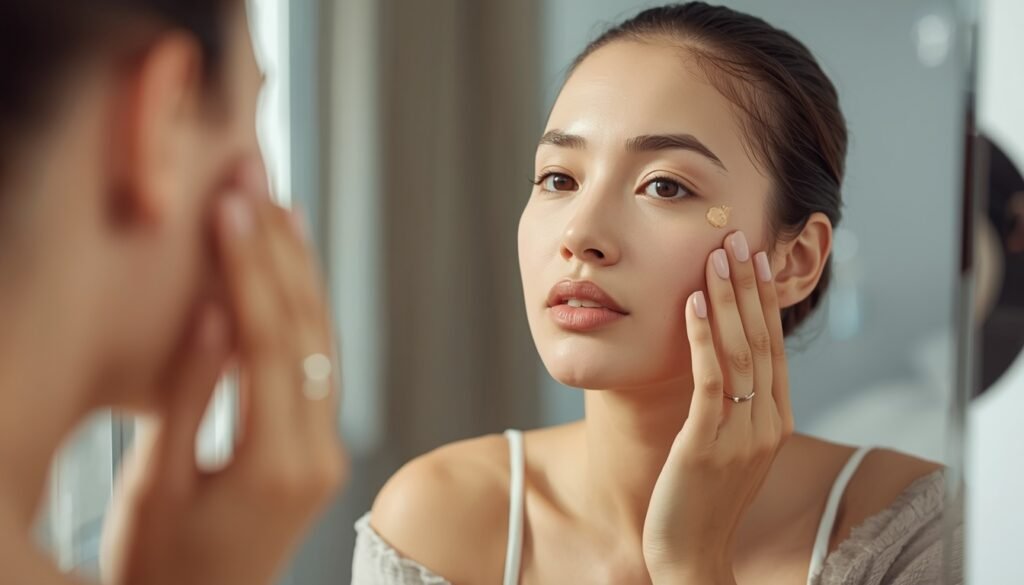
Hypoallergenic makeup is especially suitable for:
- Sensitive skin
- Allergy-prone skin
- Rosacea sufferers
- Eczema-prone skin
- Acne-prone skin
- Contact dermatitis
- People recovering from skin treatments
Even individuals without skin conditions sometimes choose hypoallergenic products for added peace of mind.
People with eczema or sensitive skin can also find helpful skincare guidance from the National Eczema Association: https://nationaleczema.org/
Benefits of Hypoallergenic Makeup
Choosing gentle cosmetics offers several advantages.
Reduced Risk of Irritation
Products are often formulated with fewer irritating ingredients.
Comfortable Wear
Sensitive skin usually experiences less burning, itching, or redness.
Better Skin Health
Gentler formulas help protect the skin barrier.
Suitable for Daily Use
Many people comfortably wear hypoallergenic makeup every day.
Common Ingredients That May Cause Irritation
Although reactions vary from person to person, some ingredients commonly trigger sensitivity.
Examples include:
- Artificial fragrance
- Essential oils (for some people)
- Alcohol-based ingredients
- Formaldehyde-releasing preservatives
- Certain chemical dyes
- Lanolin
- Parabens (for some users)
- Sulfates
Reading ingredient labels is always recommended.
Information about contact allergies is also available through the American Contact Dermatitis Society: https://www.contactderm.org/
Ingredients Often Found in Hypoallergenic Makeup
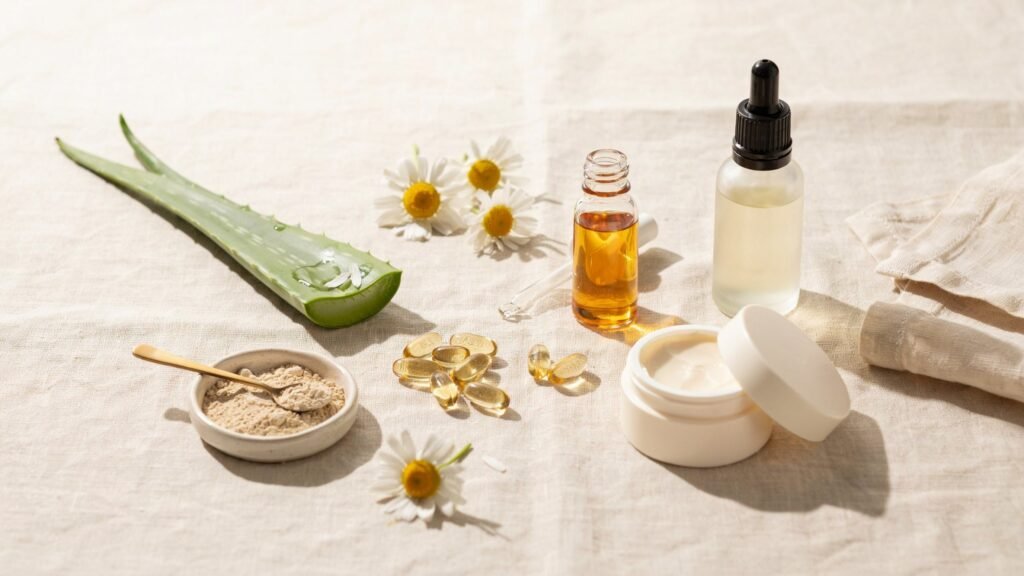
Many hypoallergenic products contain soothing ingredients like:
- Aloe vera
- Chamomile
- Glycerin
- Hyaluronic acid
- Squalane
- Vitamin E
- Ceramides
- Mineral pigments
These ingredients help support healthy-looking skin while minimizing irritation.
Types of Hypoallergenic Makeup Products
There are hypoallergenic options for almost every makeup category.
Foundation
Look for formulas that are:
- Fragrance-free
- Lightweight
- Non-comedogenic
- Dermatologist-tested
Concealer
Choose concealers that provide:
- Smooth coverage
- Hydrating ingredients
- Minimal preservatives
Powder
Mineral powders are often popular because they contain fewer ingredients.
Blush
Gentle blush formulas usually avoid artificial fragrance and harsh colorants.
Eyeshadow
Sensitive eyes benefit from:
- Fragrance-free formulas
- Ophthalmologist-tested products
- Gentle pigments
Mascara
Hypoallergenic mascara is especially important for:
- Contact lens wearers
- Sensitive eyes
- Allergy sufferers
Eyeliner
Choose soft formulas that reduce irritation around delicate eyelid skin.
Lipstick
Many brands offer:
- Fragrance-free lipsticks
- Moisturizing lip formulas
- Sensitive-skin lip products
Hypoallergenic vs Non-Comedogenic Makeup
Although these terms are often confused, they mean different things.
Hypoallergenic
Designed to reduce allergic reactions.
Non-Comedogenic
Designed not to clog pores.
Some products offer both benefits.
Hypoallergenic vs Fragrance-Free Makeup
Fragrance-free products contain no added fragrance.
Hypoallergenic products aim to reduce allergy risk.
A product may be:
- Hypoallergenic only
- Fragrance-free only
- Both hypoallergenic and fragrance-free
For very sensitive skin, products with both labels may be ideal.
Mineral Makeup for Sensitive Skin
Mineral makeup is frequently recommended because it often contains fewer ingredients.
Common mineral ingredients include:
- Zinc oxide
- Titanium dioxide
- Iron oxides
- Mica
Many users with sensitive skin find mineral makeup easier to tolerate.
How to Choose Hypoallergenic Makeup

When shopping, consider the following:
- Read ingredient lists
- Avoid unnecessary fragrance
- Choose dermatologist-tested products
- Look for ophthalmologist-tested eye makeup
- Buy from reputable brands
- Patch-test new products
Careful selection reduces the chance of skin reactions.
Patch Testing Before Using Makeup
Patch testing is simple.
Steps include:
- Apply a small amount behind the ear or inside the arm.
- Wait 24–48 hours.
- Watch for redness or itching.
- If no reaction occurs, proceed with normal use.
Patch testing helps identify potential sensitivity.
The U.S. Food & Drug Administration (FDA) provides useful information about cosmetic safety and labeling: https://www.fda.gov/cosmetics
Tips for Applying Makeup on Sensitive Skin
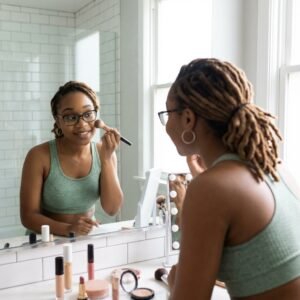
Gentle application also matters.
Helpful tips:
- Clean makeup brushes regularly.
- Replace old cosmetics.
- Avoid sharing makeup.
- Remove makeup before bed.
- Use clean hands during application.
- Moisturize before applying makeup.
Healthy skin often tolerates makeup better.
Common Mistakes to Avoid
People with sensitive skin sometimes make avoidable mistakes.
Examples include:
- Using expired cosmetics
- Ignoring ingredient labels
- Applying too many products
- Skipping patch tests
- Sleeping with makeup on
- Using dirty brushes
Avoiding these habits helps protect skin health.
Can Hypoallergenic Makeup Prevent Allergies?
Not completely.
Because every individual has unique sensitivities, no cosmetic can guarantee zero allergic reactions.
However, hypoallergenic products often reduce the likelihood of irritation compared to conventional formulas.
Makeup Removal for Sensitive Skin
Removing makeup gently is just as important.
Choose:
- Micellar water
- Gentle cleansing balm
- Fragrance-free cleanser
- Soft cotton pads
Avoid excessive rubbing around delicate skin.
Building a Complete Hypoallergenic Makeup Routine
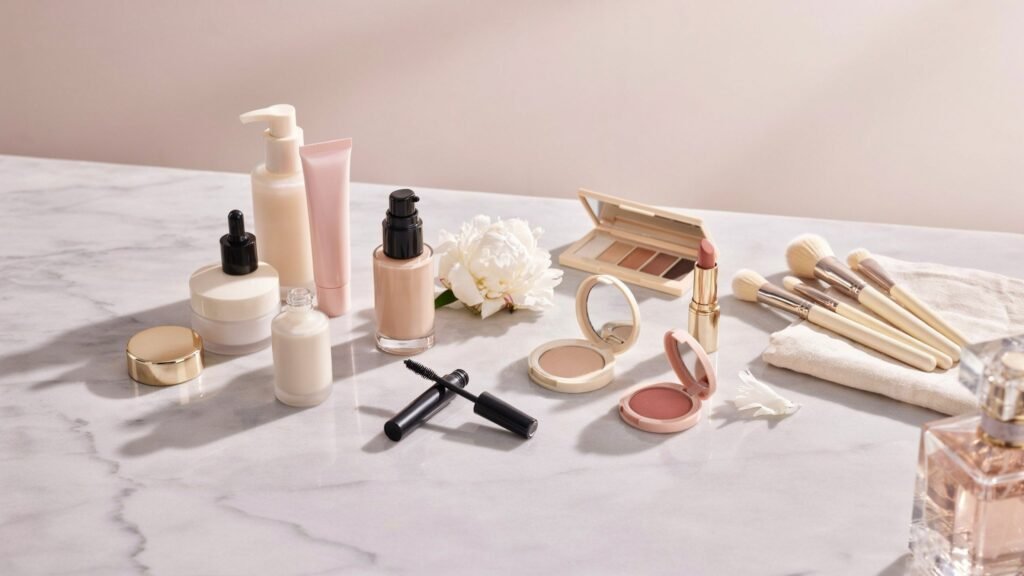
A simple routine may include:
- Gentle cleanser
- Moisturizer
- Sunscreen
- Hypoallergenic primer
- Foundation
- Concealer
- Powder
- Blush
- Mascara
- Lipstick
Using compatible products may improve overall comfort.
Why Dermatologists Recommend Gentle Makeup
Dermatologists often encourage patients with sensitive skin to use products that:
- Reduce irritation
- Support the skin barrier
- Avoid unnecessary allergens
- Contain soothing ingredients
Choosing gentle cosmetics may improve both comfort and appearance.
Future of Hypoallergenic Makeup
The beauty industry continues evolving.
Future trends include:
- Cleaner ingredient formulations
- Sustainable packaging
- AI-powered skin matching
- Personalized cosmetics
- More dermatologist collaboration
- Advanced allergy testing
Consumers increasingly prioritize skin health alongside beauty.
Why Interest in Hypoallergenic Makeup Is Growing
Search interest continues increasing because people want:
- Safer cosmetics
- Cleaner ingredients
- Sensitive skin solutions
- Better dermatologist recommendations
- Comfortable daily makeup
- Long-term skin health
Beauty shoppers today are more informed than ever.
FAQs
What is hypoallergenic makeup?
Hypoallergenic makeup is formulated to reduce the likelihood of allergic reactions and irritation, especially for sensitive skin.
Is hypoallergenic makeup safe for sensitive skin?
Many people with sensitive skin tolerate hypoallergenic products well, although no product can guarantee zero reactions.
Can hypoallergenic makeup cause allergies?
Yes. Individual allergies vary, so patch testing is still recommended before regular use.
Is hypoallergenic makeup fragrance-free?
Not always. Some products are both fragrance-free and hypoallergenic, while others may contain mild fragrance.
How do I choose hypoallergenic makeup?
Read ingredient labels, select dermatologist-tested products, avoid common irritants, and perform a patch test before using new cosmetics.
The End
Hypoallergenic makeup offers an excellent option for individuals with sensitive or allergy-prone skin who want to enjoy cosmetics with a lower risk of irritation. From foundation and concealer to mascara and lipstick, there are now many gentle products designed to support both healthy skin and beautiful results.
By understanding ingredients, choosing reputable brands, patch testing new products, and following a proper skincare routine, you can confidently build a makeup collection that works with your skin rather than against it. Whether you’re shopping for your first hypoallergenic foundation or upgrading your entire beauty routine, making informed choices will help you achieve comfortable, radiant makeup every day.
For general skincare advice and sensitive skin recommendations, you can also visit the Mayo Clinic: https://www.mayoclinic.org/